
Contact: +91 99725 24322 |
Menu
Menu
Quick summary: Discover why TraceX stands out as the leading sustainability and carbon management platform. Explore its advanced features, robust data analytics, and seamless integration, empowering businesses to drive positive environmental impact and achieve their sustainability goals. Unlock the full potential of your sustainability journey with TraceX.
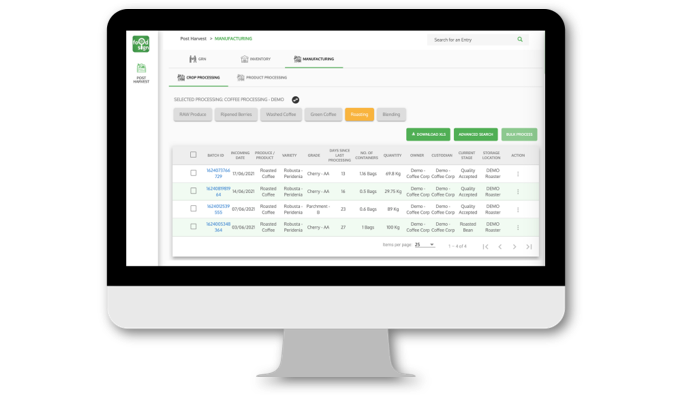
The world faces an urgent need to transform food production and consumption. With the growing concerns about climate change, environmental degradation and need for responsible resource usage, businesses are seeking innovative solutions to achieve sustainability goals. Trace Carbon from TraceX is a leading solution for sustainability and carbon management in the food and agriculture sector that can help companies to accelerate their decarbonization journey and drive sustainability.
With a growing population expected to reach 10 billion by 2050, agriculture must meet the challenge of feeding people while promoting inclusive development. Simultaneously it must reduce its environmental impact, which already undermines food production through land degradation, water scarcity and climate change. TraceX is a powerful blockchain solution that empowers organizations in the food and agriculture industry to navigate the complexities of sustainable and carbon management. Let us dive deeper into what TraceX has to offer as a wide range of features and functionalities to support sustainable and carbon management.
TraceX is a blockchain powered food traceability platform working towards building climate resilient sustainable supply chains for the future.
At TraceX, our mission is to harness the power of blockchain technology to build connected, credible, climate-resilient and sustainable food supply chains for the world. We believe in the transformative potential of blockchain to revolutionize the way we help companies to produce, distribute and consume food. Leveraging the immutable and transparent nature of blockchain, TraceX creates a globally connected food network that enables end to end traceability, ensuring highest standards of quality, safety and sustainability.
TraceX’s vision extends beyond traceability. It aims to create a platform that promotes consumer engagement, empowering individuals to actively participate in shaping a sustainable food system. By providing access to information about sourcing practices, production methods and environmental impact, it empowers consumers to make conscious decisions that align with their values.
Furthermore, TraceX recognizes the urgent need for climate resilience in our food systems. Climate change poses significant challenges to agriculture and our goal is to enable the creation of climate-resilient supply chains. By leveraging blockchain’s capabilities, the platform facilitates tracking and management of carbon emissions, promote sustainable farming practices and support initiatives that mitigate the impact of climate change on food production.
TraceX through its mission and vision is committed to building a future where the global food network operates with transparency, sustainability and resilience at its core. TraceX strives to drive positive change, foster a strong connection between producers and consumers and create a more climate – resilient and sustainable planet for generations to come.
Trace Carbon is software module designed to empower organizations in effectively managing and optimizing their sustainability and carbon management initiatives. With a focus on driving positive environmental impact and promising responsible resource usage, Trace Carbon offers a suite of tools and features to help businesses navigate the complexities of sustainability and reduce their carbon footprint
Through the power of data analytics and real-time insights, Trace Carbon enables organizations to measure, track and analyse their carbon emissions across various operations. By accurately quantifying the environmental impact, businesses can identify areas for improvement and implement targeted strategies to reduce their carbon footprint. They can also easily monitor and manage resource consumption, waste generation and energy usage allowing them to optimize their operations and minimize the environmental footprint. The platform supports one-click reporting to facilitate transparent and accurate reporting on sustainability performance to stakeholders and regulatory bodies.
Trace carbon promotes a holistic approach to sustainability by offering modules that track and manage other sustainability metrics such as water usage, biodiversity and social responsibility. This allows organizations to align their sustainability efforts with their broader organizational goals and values. Besides blockchain provides secure and reliable data management ensuring credibility and integrity of the information.
Traceability plays a crucial role in ensuring sustainability and responsible practices in the food and agriculture industry. The end-to-end traceability provides businesses with valuable insights and promotes transparency.
TraceX’s blockchain traceability platform allows organizations to track and monitor every stage of the supply chain from farm to fork. By capturing and recording data at each step, the platform creates a digital footprint of the product thereby ensuring complete visibility and accountability.
Trace Gro and Trace Pro provide end to end traceability covering the pre-harvest and post-harvest management of the entire food supply chain. The solution enables tracing the origin of products, monitoring the production practices and tracking the handling and transportation. This enables better management of quality, safety and sustainability aspects throughout the supply chain.
Carbon management is a crucial aspect of sustainability and TraceX offers robust tools and features to help organizations in their decarbonization journey.
The module provides comprehensive tools for measuring and monitoring carbon emissions throughout the supply chain. It enables collection of data from raw material production and extraction, the practices followed, transportation, packaging and distribution to finally enable calculation of carbon footprint. The real-time data collection and analysis helps companies to have a clear understanding of their emission profiles. The granularity in data capture helps to identify hotspots and areas for improvement, facilitating targeted emission reduction strategies.
The DMRV feature enables measurement, reporting and verification of carbon offsets generated under various Carbon reduction projects. The blockchain powered platform ensures accountability and facilitates accuracy in audits. It enables generation of high-quality carbon credits that brings integrity into the voluntary carbon markets.
The Sustainability module enables organizations to track and analyze key sustainability indicators across their value chains. It provides a comprehensive view of an organization’s sustainability performance by measuring and monitoring various metrics related to environmental, social and economic aspects
It allows them to track water usage, energy consumption, greenhouse gas emissions, biodiversity impact, waste generation and social responsibility indicators. The data is collected from various sources including sensors, IoT devices and remote sensing . The generated reports, charts and visualizations help businesses to understand their current status and identify areas of improvement and make data-driven decisions to enhance sustainability practices.
The dashboarding and reporting feature set is designed to provide organizations with a comprehensive view of their sustainability and carbon management performance through their intuitive visualizations, customizable dashboards and robust reporting capabilities.
Users can customize their dashboards based on their specific needs choosing the metrics, charts and graphs they want to track and monitor. It enables users to gain real-time insights into key performance indicators, progress on sustainability goals and overall sustainability trends. The reporting feature enables showcasing of sustainability efforts and commitments among the various stakeholders. Transparent and reliable reporting helps organizations to build trust and enhance their brand reputation.
TraceX stands out as the best choice for sustainability and carbon management due to its numerous benefits. The comprehensive suite of tools enables organizations to effectively track, monitor and optimize their sustainability initiatives. With traceability at its core, TraceX covers from carbon footprint measurement to resource management covering all aspects of sustainability.
TraceX offers user friendly mobile and web apps that enable seamless and efficient management of the various activities which empower organizations to make informed decisions and drive positive change.
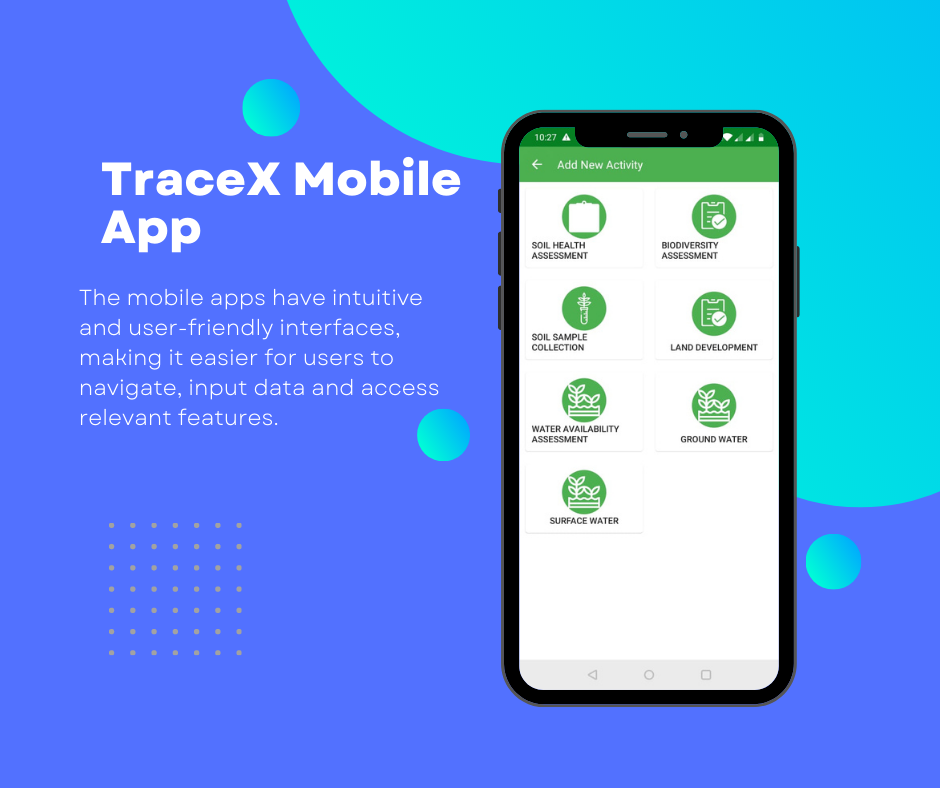
The mobile apps have intuitive and user-friendly interfaces, making it easier for users to navigate, input data and access relevant features.
The app works on offline mode that allows users to collect data and perform tasks without internet connection. The multilingual app caters to 8 languages facilitating input of data.
The apps facilitate capture of data at the source enabling users to record data ta each stage in the supply chain. Integration with other data sources and systems ensures seamless data flow and accuracy.
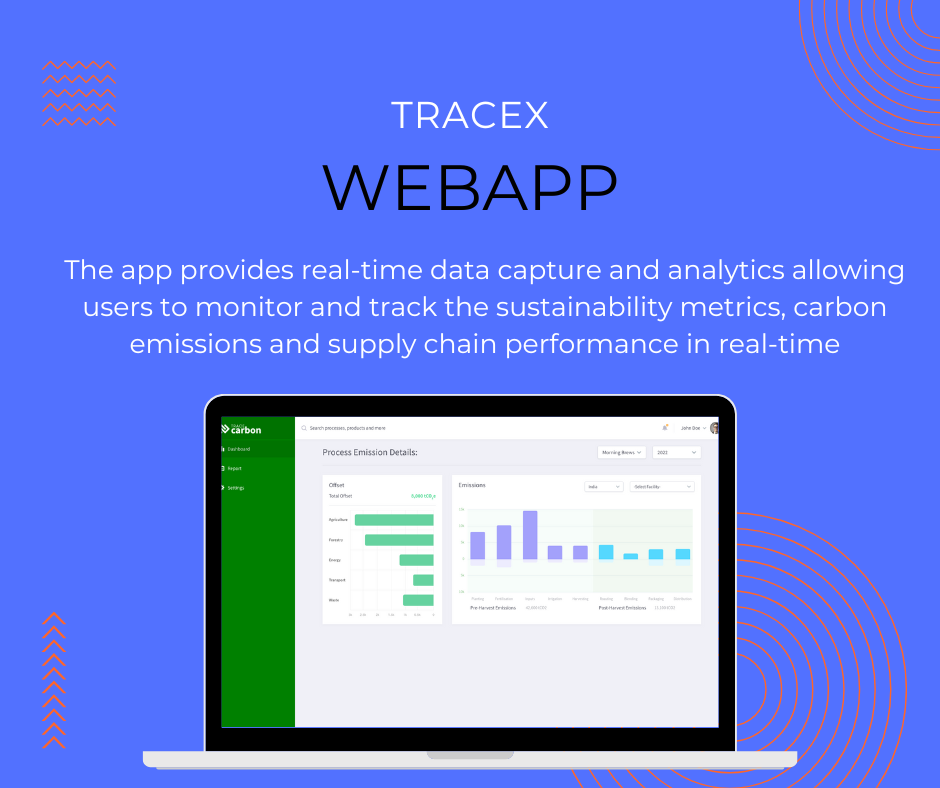
The app provides real-time data capture and analytics allowing users to monitor and track the sustainability metrics, carbon emissions and supply chain performance in real-time.
The apps send notifications and alerts to users for various purposes such as reminders, updates or alerts from deviations to enable timely action.
The app enables allocation of resources like farms, farmers and related organizations and watersheds etc.
The app offers task management features to assign and track tasks, set deadlines and monitor progress which enhances accountability and ensures the sustainability initiatives are managed.
The software provides interactive and visual representation of data through charts, graphs and dashboards. This helps to identify trends and communicate sustainability performance effectively to stakeholders.
The decentralized platform enables better communication and coordination among stakeholders in the supply chain ensuring trust and transparency.
The mobile and web apps prioritize data security and user privacy. Measures such as encryption, secure authentication and role-based access control ensures that sensitive data is protected.
TraceX has a distinct advantage with blockchain technology providing enhanced security, immutability and transparency in tracking and verifying sustainability data across the food supply chain.
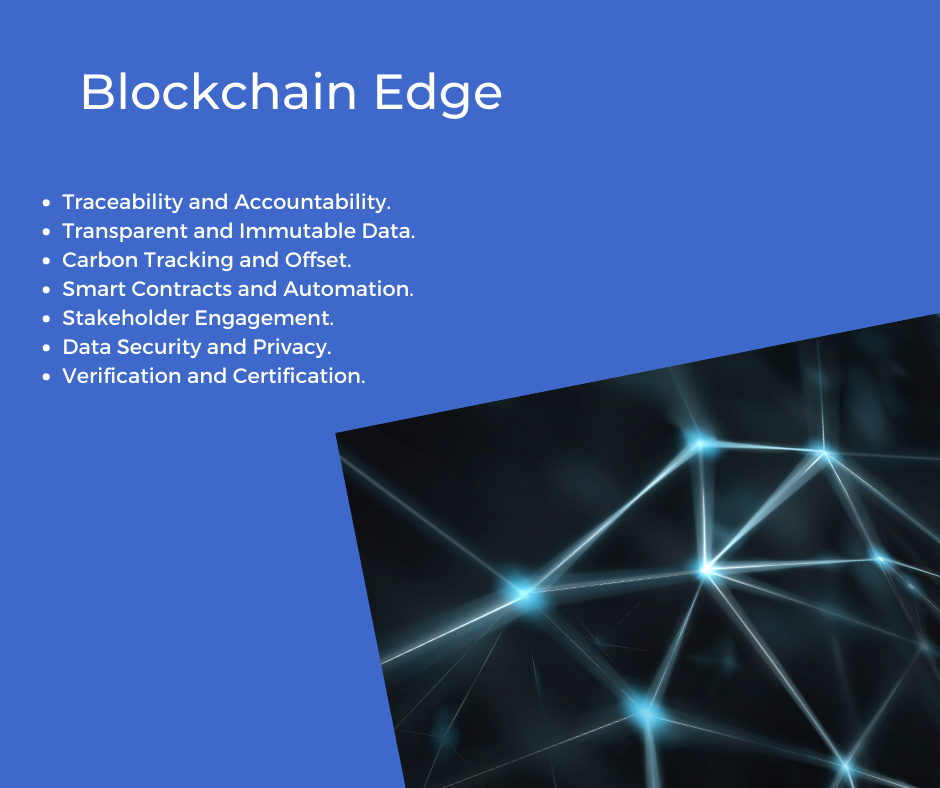
Blockchain enables end to end traceability of food products and sustainability metrics. It provides an auditable record of carbon emissions, sustainability practices and certifications.
Blockchain records all transactions and data related to sustainability and carbon management in immutable ledgers which are tamper-proof, accurate and verifiable.
Blockchain enables streamlined process of calculating carbon footprints, tracking emissions and engaging in carbon offsetting initiatives.
Blockchain’s smart contracts automates processes and ensures compliance with sustainability standards.
Blockchain facilitates collaboration and engagement among stakeholders in the food supply chain. The trusted platform fosters partnerships, knowledge sharing and collective action towards achieving sustainability goals.
Blockchain ensures data security and privacy through its decentralized and cryptographic nature thereby instilling confidence in users.
Blockchain streamlines the verification and certification process and enables third party verification and certification bodies to access and validate the authenticity of sustainability claims, thereby promoting transparency, credibility and trust among consumers, investors and regulators.
TraceX gains a competitive edge with these offerings thereby helping organizations in driving positive environmental impact and meet their sustainability goals with confidence.
The TraceX platform offers a wide range of features and functionalities to support sustainable and carbon management. It enables users to accurately measure and analyse their carbon footprint, identify areas of improvement and set ambitious reduction targets. This software also provides tools for monitoring resource usage, waste management and energy consumption allowing businesses to optimize their operations and minimize their environmental impact.

What is food traceability | Types of traceability in supply chains | Food traceability best practices | Traceability in the food industry | Digital traceability system | Blockchain food traceability solutions | QR code traceability for consumer trust | ERP integration for traceability | Conscious consumerism through traceability | Food system transformation with traceability | Coffee supply chain guide | Coffee traceability from bean to cup | Sustainable coffee supply chain | Regenerative agriculture for coffee | Agroforestry in the coffee value chain | Rainforest Alliance certified coffee | Single origin coffee explained | Cocoa supply chain traceability | Child labour in cocoa supply chains | Child labour monitoring and remediation systems | Fairtrade cocoa sourcing | Agroforestry in cocoa supply chains | Tea supply chain transformation | Sustainability in the tea value chain | Seed supply chain traceability | Seed supply chain basics | Forward traceability in seed industry | Seed supply chain challenges | Seed procurement process | Livestock traceability for meat safety | Blockchain traceability in livestock | Carbon traceability on blockchain | Maize value chain traceability | Farm to fork journey of millets | Millet value chain overview | Millets for a sustainable future | Pulse value chain traceability | Fruit and vegetable supply chain traceability | Banana supply chain traceability | Carbon footprint of banana production | Grape traceability for exports | Digital procurement for fruits and vegetables | Mango supply chain transparency | Tomato value chain challenges | Reducing post-harvest losses in potatoes | Sugarcane supply chain traceability | Sustainable sugarcane farming practices | Flower traceability from seed to scent | Orris root traceability in fragrance | Fair trade in fragrance oil supply chains | Hive to honey traceability | Cannabis supply chain traceability | Wine traceability grape to glass | Nutraceuticals and herbal supplements traceability | Rice supply chain traceability | Mill level rice traceability | Sustainable rice farming | Direct seeded rice cultivation | Sustainable rice platform standards | System of rice intensification | Alternate wetting and drying rice cultivation | Cotton supply chain traceability | Sustainability in the cotton industry | Organic cotton traceability | Fashion supply chain explained | Mapping the textile value chain | Traceability in the fashion industry | Traceability in waste management | Plastic value chain explained | Traceability for GI tagged products | Traceability for organic food brands | Spice supply chain traceability | Pepper traceability farm to table | Chilli value chain overview | Turmeric value chain | Batch level traceability for spice exports | Batch traceability in spice manufacturing | Sustainable spice sourcing technology | Sustainable farming practices for spices | Grocery supply chain challenges | Dairy supply chain guide | Real-time milk collection tracking | Dairy supply chain risk and issues | Batch level traceability in dairy | Ghee adulteration prevention | Sustainable dairy farming | Seafood supply chain ocean to plate | Sustainable fishing through supply chain transparency | Poultry value chain chicken to nugget | Tobacco supply chain overview | Digitizing tobacco farming | Tobacco traceability for compliance | Sustainable tobacco production | Sustainable tobacco programs | Digitizing the paper supply chain | Sustainable soy supply chains | RTRS certification in soy | Sustainable rubber from tree to tyre | FSC certified rubber solutions | Palm oil supply chain insights | RSPO certification with EUDR compliance | Seed oils traceability farm to refinery | Aggregation risk in oilseed supply chains | Digital traceability for cold pressed oils | Timber value chain from forest to product | Sustainable cashew production traceability | Arecanut value chain traceability | Essential guide to food supply chains | Factors influencing food supply chain management | Food supply chain in India | Blockchain for food supply chain | Agriculture and food supply chain factors | Traceability in food safety | Supply chain transparency for food safety | Understanding food recalls | Product recall in the food industry | Food waste in supply chains | Food waste recycling and composting | Food waste upcycling solutions | Supply chain traceability framework | Complete guide to supply chain traceability | Product traceability in supply chains | Material traceability in supply chains | Elements of supply chain provenance | Chain of custody in agriculture | Supplier mapping for traceability | Real-time supply chain visibility | Traceability for ESG compliance | Supply chain due diligence | Examples of food supply chain traceability | Supply chain traceability challenges | Multi-tier supply chain transparency | Traceability for supply chain managers | Mitigating supply chain risks for exporters | CTOs driving digital transformation with traceability | Digital transformation for licensed cocoa buyers | Bulk food product traceability | Automated farm input distribution | Supplier onboarding challenges | Digital process configuration in food production | Bulk GRN processing in procurement | Batch IDs in food traceability systems | Inventory management in the food industry
Supply chain compliance simplified | Food traceability regulations | Global traceability standards overview | FSMA and food traceability | FSMA compliance for dairy brands | ACO standards compliance | Export compliance for fruits and vegetables | OECD seed certification scheme | Food safety regulations explained | Global GAP certification guide | GS1 standards for traceability | GS1 standards traceability solutions | GS1 identifiers for traceability | GS1 EPCIS for end-to-end traceability | GTIN for product level traceability | Integrating GS1 with traceability | Streamlining compliance for food processing
Deforestation-free supply chains for EUDR | Causes of deforestation | Ways to fight deforestation | Cocoa deforestation impact | Coffee deforestation impact | Deforestation risk in beef supply chains | Towards deforestation-free palm oil | Rubber deforestation risk | Soy deforestation challenges | Illegal logging in the timber industry | Deforestation-free sourcing for EUDR | EUDR procurement challenges | EU Timber Regulation vs EUDR | EUDR explained | EUDR delay confirmed update | EUDR simplification package 2026 | EU information system for EUDR | Digital traceability for EUDR compliance | EUDR compliance guide | EUDR regulatory requirements | EUDR scope of products covered | EUDR relevant HSN codes | EUDR gap analysis | EUDR penalties and fines | Steps for EUDR compliance | EUDR reporting requirements | Competent authorities under EUDR | EU-based representative for EUDR | EUDR due diligence guide | How to file DDS for EUDR | Common DDS filing errors | EU importer DDS filing preparation | EUDR due diligence statement examples | DDS best practices for importers | EUDR DDS consolidation explained | EU TRACES system for DDS submission | Multiple farm plots in one DDS | EUDR risk assessment guide | EUDR risk assessment and mitigation | Country benchmarking under EUDR | EUDR country risk classifications | EU Deforestation Observatory role | Conducting deforestation risk assessment | Supplier assessment for EUDR | Supplier data management for EUDR | Onboarding smallholder suppliers for EUDR | EUDR data from smallholder producers | Supplier data gaps for EUDR compliance | Polygon mapping for traceability | EUDR geolocation requirements | Common GeoJSON file errors | GeoJSON data capture and validation | EUDR solutions for deforestation-free chains | EUDR interoperability and integration | Satellite monitoring for EUDR | Blockchain solution for EUDR | EUDR APIs and integration | EUDR compliance data management | EUDR legality requirements | Agentic AI for EUDR compliance | EUDR cocoa compliance | EUDR cocoa compliance for importers | EUDR compliance tools for cocoa exporters | Smallholder data for cocoa traceability | EUDR rubber regulations | EUDR rubber buyer’s guide | EUDR rubber supply chain examples | EUDR compliance for tire manufacturers | EUDR rubber compliance for importers | EUDR compliance tools for rubber exporters | EUDR coffee buyer’s guide | EUDR palm oil compliance | EUDR soy compliance | EUDR compliance for wood products | EUDR compliance tools for wood exporters | EUDR wood compliance tool for importers | Wood chip traceability for EUDR | EUDR sawmill compliance | EUDR compliance for pulp and paper | Segregation in EUDR pulp value chain | EUDR compliance for publishers | EUDR compliance for plywood | EUDR furniture compliance | EUDR leather compliance | EUDR packaging requirements | EUDR regulations for packaging companies | EUDR compliance for healthcare sector | Deforestation compliance in oleochemicals | EUDR compliance for charcoal supply chain | Forest compliance tools guide | Timber traceability for EUDR | EUDR compliance for timber | FSC certified wood for EUDR | Timber and wood EUDR challenges | EUDR coffee compliance | EUDR coffee compliance for importers | EUDR coffee compliance for exporters | Supply chain mapping for EUDR | Chain of custody for EUDR | Aggregated traceability under EUDR | Supply chain integrity under EUDR | EUDR compliance for composite products | EUDR impact on global supply chains | EUDR for food companies | Role of certifications in EUDR | Leveraging EUDR for positive impact | Strategies for EUDR compliance challenges | EUDR impact analysis | EUDR for supply chain stakeholders | EUDR for upstream operators | EUDR for producer companies | Downstream operators EUDR compliance | EUDR downstream operator examples | EUDR compliance for traders | Non-SME downstream operator requirements | MSPOs under EUDR explained | EUDR for consumer brands | EUDR importer compliance checklist | EUDR challenges for retailers | EUDR compliance for coffee roasters | Minimizing EUDR risk for producers | Why CSCOs need EUDR compliance software | EUDR compliance for SMEs | EUDR challenges in warehouse management | EUDR impact on India palm oil | EUDR impact on Indian rubber producers | EUDR challenges for Indian exporters | EUDR for India’s coffee exporters | EUDR for paper exporters in India | Debunking EUDR myths | EUDR compliance in agribusiness | Real-world EUDR examples | EUDR coffee supply chain examples | Real-world EUDR failures | EUDR-ready traceability solutions | Must-have features in EUDR software | Sustainable forest management | EUDR forest data misconceptions | Sustainable sourcing strategies for EUDR | Sustainable procurement practices for EUDR
Timber traceability systems | Global regulations on illegal logging | Timber legality verification | Chain of custody in timber | AILPA regulatory guide for timber importers | AILPA compliance for timber importers | AILPA information collection requirements | AILPA risk assessment | AILPA due diligence requirements | Timber exporter AILPA challenges | FSC for AILPA compliance | AILPA supply chain traceability requirements | DAFF infringement under illegal logging laws | Digital due diligence system for ILPA Australia | Documented import compliance program Australia | Illegal logging risk in furniture industry
EU PPWR regulation guide | Extended producer responsibility under PPWR | Why PPWR was introduced | Circular economy goals for packaging | Packaging waste in the European Union | Environmental cost of packaging waste | EU packaging sustainability regulations | Sustainable packaging in food supply chains | PPWR regulatory requirements | PPWR compliance requirements | PPWR packaging design requirements | Packaging traceability for PPWR
EU Green Deal guide | Circular economy explained | EU Green Deal regulations | ESPR regulation overview | Circular Economy Action Plan | Digital product passport explained | ESPR DPP regulation | DPP product scope | Digital product passport requirements | DPP data requirements | JTC24 DPP framework | Digital product passport implementation guide | DPP delegated acts | DPP data architecture and standards | DPP interoperability standards | DPP technology stack | DPP data carrier options | DPP integration with PLM systems | Data ownership in digital product passports | GS1 standards for DPP | Supply chain traceability for DPP | Source-level traceability for DPP | Batch-level traceability for DPP | DPP in product lifecycle | Lifecycle data in circular economy | Supplier engagement for DPP | Supplier data for digital product passports | Supplier collaboration for DPP | Onboarding suppliers for DPP | DPP use cases industry guide | DPP readiness for manufacturers | DPP readiness for importers | DPP readiness for brands | Cross-border DPP compliance strategy | DPP and EUDI eIDAS 2 compliance | DPP for circular economy | EU Battery Regulation 2023/1542 guide | Battery value chain mapping for DPP | Battery digital product passport | EU textile strategy and DPP | Digital product passports for textiles | Origin traceability for textile DPP
Climate change mitigation and adaptation | Ecosystem restoration for climate mitigation | Carbon footprint importance in climate change | Climate-smart agriculture | Carbon farming in agriculture | Carbon baselining in agriculture | Climate resilience in agriculture | Low carbon agriculture supply chains | Life cycle assessment in agriculture | Coffee carbon footprint | Food miles impact on carbon footprint | Reducing carbon footprints with data management | Supply chain decarbonization | Net zero supply chain strategies | Guide to carbon neutrality | Net zero supply chains decoded | CPG companies and environmental change | Scope 3 emissions guide | Best carbon accounting software | Carbon accounting guide | Measuring GHG emissions | Principles of GHG accounting | Carbon accounting standards | Best carbon accounting practices | Farm-level sustainability data for ESG | Digital MRV explained | Digital MRV for carbon and NBS | Digital MRV for carbon credits | DMRV in nature-based carbon offsets | Digital monitoring in carbon management | Carbon emissions reporting with digital MRV | TraceX DMRV for carbon projects | DMRV solutions for agroforestry | DMRV for carbon credit verification | Guide to nature-based solutions | Carbon sequestration in agroforestry | Benefits of reforestation | Ways to wetland restoration | Role of blue carbon in climate mitigation | Afforestation vs reforestation | Nature-based solution projects for offsets | Guide to ARR projects | Best practices for ecosystem restoration | Forest carbon projects for climate action | Biochar for soil health | Biochar for carbon removal | Understanding the GHG protocol | ISO 14044 guidelines explained | Carbon Disclosure Project reporting | SBTi net zero standard | GHG accounting in voluntary carbon markets | Setting science-based targets | Guide to SBTi | ICVCM shaping the voluntary carbon market | Carbon neutrality standards | GHG accounting methodologies and standards | Science-based targets network | Voluntary carbon markets guide | Verified carbon standard lifecycle | Carbon offset lifecycle | Navigating voluntary carbon market standards | Integrity in the voluntary carbon market | Role of carbon offset registries | Carbon offset verification | Understanding carbon offset markets | Carbon offset projects | Validation and verification bodies with DMRV | Role of carbon project developers | DMRV for carbon project developers | TraceX DMRV for sustainability managers | Digital MRV for environmental NGOs | High-quality carbon credits | Things to know about carbon credits | Cookstove carbon credits | Carbon credits and water conservation | Clean water carbon credits | Agroforestry carbon credits | Role of verified carbon credits | Carbon insetting for sustainable agriculture | Carbon insetting examples | Blockchain for voluntary carbon market | Technology for carbon farming in India | Agricultural GHG emissions foundations | Land-based emissions in agriculture | Methane emissions from agriculture | Environmental benefits of plant-based diets | Ethanol from maize as a sustainable fuel | Mapping supply chain emissions | GHG accounting in food and agriculture | Traceability for GHG accounting in agriculture | SBTi FLAG explained | SBTi FLAG guidance | Land use change emissions | Deforestation and conversion-free sourcing | Agroforestry solutions for carbon | Agroforestry for sustainable agriculture | Benefits of agroforestry | Digital nursery management in agroforestry | Farmer and plot digitization in agroforestry | Tree monitoring in agroforestry | Agroforestry in commodity supply chains | DMRV for carbon sequestration in agroforestry | Agroforestry in Africa for EU goals | Sustainable cocoa agroforestry in Ghana | Agroforestry in Kenya | Agroforestry in Indonesia | Promoting agroforestry in Nigeria | Agroforestry for sustainable livelihoods in India
We use cookies on our website to give you the most relevant experience by remembering your preferences and repeat visits. By clicking “Accept All”, you consent to the use of ALL the cookies. However, you may visit "Cookie Settings" to provide a controlled consent.
| Cookie | Duration | Description |
|---|---|---|
| cookielawinfo-checkbox-analytics | 11 months | This cookie is set by GDPR Cookie Consent plugin. The cookie is used to store the user consent for the cookies in the category "Analytics". |
| cookielawinfo-checkbox-functional | 11 months | The cookie is set by GDPR cookie consent to record the user consent for the cookies in the category "Functional". |
| cookielawinfo-checkbox-necessary | 11 months | This cookie is set by GDPR Cookie Consent plugin. The cookies is used to store the user consent for the cookies in the category "Necessary". |
| cookielawinfo-checkbox-others | 11 months | This cookie is set by GDPR Cookie Consent plugin. The cookie is used to store the user consent for the cookies in the category "Other. |
| cookielawinfo-checkbox-performance | 11 months | This cookie is set by GDPR Cookie Consent plugin. The cookie is used to store the user consent for the cookies in the category "Performance". |
| viewed_cookie_policy | 11 months | The cookie is set by the GDPR Cookie Consent plugin and is used to store whether or not user has consented to the use of cookies. It does not store any personal data. |
WhatsApp us
Get the free TraceX Playbook — 10 traceability failures to fix before your next audit, a 10-point maturity scorecard.
Generate DDS, validate geolocations, and file to TRACES with AI doing the heavy lifting. No credit card. No setup hassle.
Your essential compliance guide